
Imagine spending hours investigating a workplace problem, only to discover that you have been focusing on the wrong person or issue. Perhaps a manager assumes an employee caused a delay when the actual problem comes from an outdated system. In situations like this, Barking Up the Wrong Tree describes the mistake of directing attention, blame, or effort toward the wrong person, explanation, or solution.
This expression is commonly used in everyday conversations, professional discussions, and informal writing to point out a mistaken assumption. However, the way you communicate this idea matters. Some alternatives sound more professional and respectful, while others are casual, humorous, or direct. Choosing the right wording helps you correct misunderstandings without creating unnecessary tension.
Understanding different expressions also makes your communication more flexible. Whether you are writing an email, discussing a problem with colleagues, or explaining a misunderstanding, using an appropriate alternative can make your message clearer and more effective.
What Does “Barking Up the Wrong Tree” Mean?
Being mistaken means pursuing an incorrect idea, blaming the wrong person, or investigating an issue based on a mistaken assumption. It describes situations where someone’s attention or efforts are directed toward something that is not responsible for the problem. The expression is commonly used when correcting misunderstandings, identifying errors, or redirecting an investigation.
Origin and History of the Expression
The expression comes from traditional hunting practices involving dogs trained to chase animals into trees. Hunters relied on the dogs to locate their targets and signal their positions by barking.
Sometimes, a dog would bark at a tree where it mistakenly believed an animal was hiding. The hunter would then discover that the dog had followed the wrong trail or identified the wrong location.
This hunting-related image eventually developed into a figurative expression describing mistaken judgments and misplaced efforts.
The idiom became established in American English during the nineteenth century. Its use appeared in written English as the meaning expanded beyond hunting to include misunderstandings, incorrect accusations, and unsuccessful investigations.
Over time, it became a familiar way to explain that someone was concentrating on the wrong person, cause, or solution.
Today, the expression remains common in both spoken and written English. Its meaning is especially relevant in workplaces, education, customer service, and digital communication, where identifying the correct source of a problem is essential.
Synonyms and Alternatives by Tone
Different situations require different levels of directness. A professional email may need a neutral expression, while a friendly conversation may allow a more casual alternative.
Here are useful alternatives organized by communication style.
Professional and Neutral Alternatives
- Pursuing the wrong lead
- Making the wrong assumption
- Looking in the wrong place
- Focusing on the wrong issue
- Following an incorrect direction
Polite and Supportive Alternatives
- There may be another explanation
- We might be looking at the wrong factor
- Perhaps we should reconsider our approach
- Let’s examine the situation more closely
- We may need to redirect our attention
Encouraging and Reassuring Alternatives
- Let’s look at this from another perspective
- We are getting closer to the real issue
- A different approach may help
- Let’s explore another possibility
- We can find a better direction
Casual, Playful and Idiomatic Alternatives
- On the wrong track
- Chasing a false lead
- Missing the point
- Looking in all the wrong places
- Going down the wrong path
When Should You Use This Expression?
This idiom is useful when someone is directing attention toward an incorrect explanation, person, or objective. However, its effectiveness depends on the audience and situation.
Professional Settings
In workplaces, it can help correct misunderstandings during project discussions, troubleshooting, investigations, and team meetings.
For example, if a manager blames an employee for a missed deadline without checking the project timeline, a colleague might explain that the investigation is focusing on the wrong cause.
For more sensitive workplace situations, consider softer alternatives such as:
- We may need to reconsider the underlying issue.
- I think there is another factor worth investigating.
- Perhaps we should review the original assumption.
Casual Conversations
In everyday conversations, the expression works naturally when correcting a friend’s misunderstanding or explaining why someone has reached an incorrect conclusion.
For example:
“You’re looking at the wrong person. Sarah wasn’t involved in the decision.”
Writing and Presentations
Writers can use this idiom when discussing incorrect assumptions, misleading information, or unsuccessful approaches.
In presentations, it can help introduce a different explanation or encourage an audience to reconsider an existing belief.
Digital Communication
The expression can appear in emails, workplace messaging platforms, discussion forums, and social media conversations.
However, written messages lack facial expressions and vocal cues. A direct statement may therefore sound more critical than intended.
When It Is Especially Effective
Use the expression when:
- Someone is investigating the wrong cause.
- An accusation is directed toward an innocent person.
- A discussion is moving away from the actual problem.
- A team needs to reconsider its current strategy.
- Someone is making decisions based on inaccurate information.
When Should You Avoid This Expression?
Although this idiom is widely understood, it is not suitable for every situation.
Overly Formal Situations
In official business documents, legal correspondence, and formal reports, an idiomatic expression may sound too conversational.
Instead, use direct wording such as “The investigation is based on an incorrect assumption.”
Legal, Academic, or Sensitive Contexts
Legal and academic writing generally requires precise language. An informal idiom may make an argument less objective or create unnecessary ambiguity.
When discussing sensitive accusations, use factual language rather than wording that could embarrass or criticize someone.
Situations Where Nuance May Be Lost
People who are learning English may understand the individual words but miss the figurative meaning.
International audiences may also interpret idiomatic expressions differently. A straightforward explanation is often more effective when communicating across language backgrounds.
When Someone May Feel Personally Criticized
If a colleague has made an honest mistake, directly telling them that they are pursuing the wrong idea may sound dismissive.
A supportive alternative can correct the misunderstanding without making the other person defensive.
Is This Idiom Professional, Polite, or Casual?
This expression is generally informal to conversational, although it can also appear in professional discussions.
Its level of politeness depends on how it is delivered.
Tone analysis: It can sound direct, corrective, humorous, or mildly critical.
Formality level: It is more suitable for everyday workplace conversations than formal business documents.
Emotional subtext: It suggests that someone has misunderstood a situation or directed their attention toward an incorrect target.
Audience perception: Friends may interpret it as harmless advice, while colleagues may perceive it as criticism if the context is sensitive.
For professional communication, softer wording is often preferable:
- I think we should reconsider that assumption.
- There may be another explanation.
- Perhaps our attention should be directed elsewhere.
The main consideration is not simply whether an expression is professional. It is whether it communicates the intended message without damaging the conversation.
Pros and Cons of Using This Expression
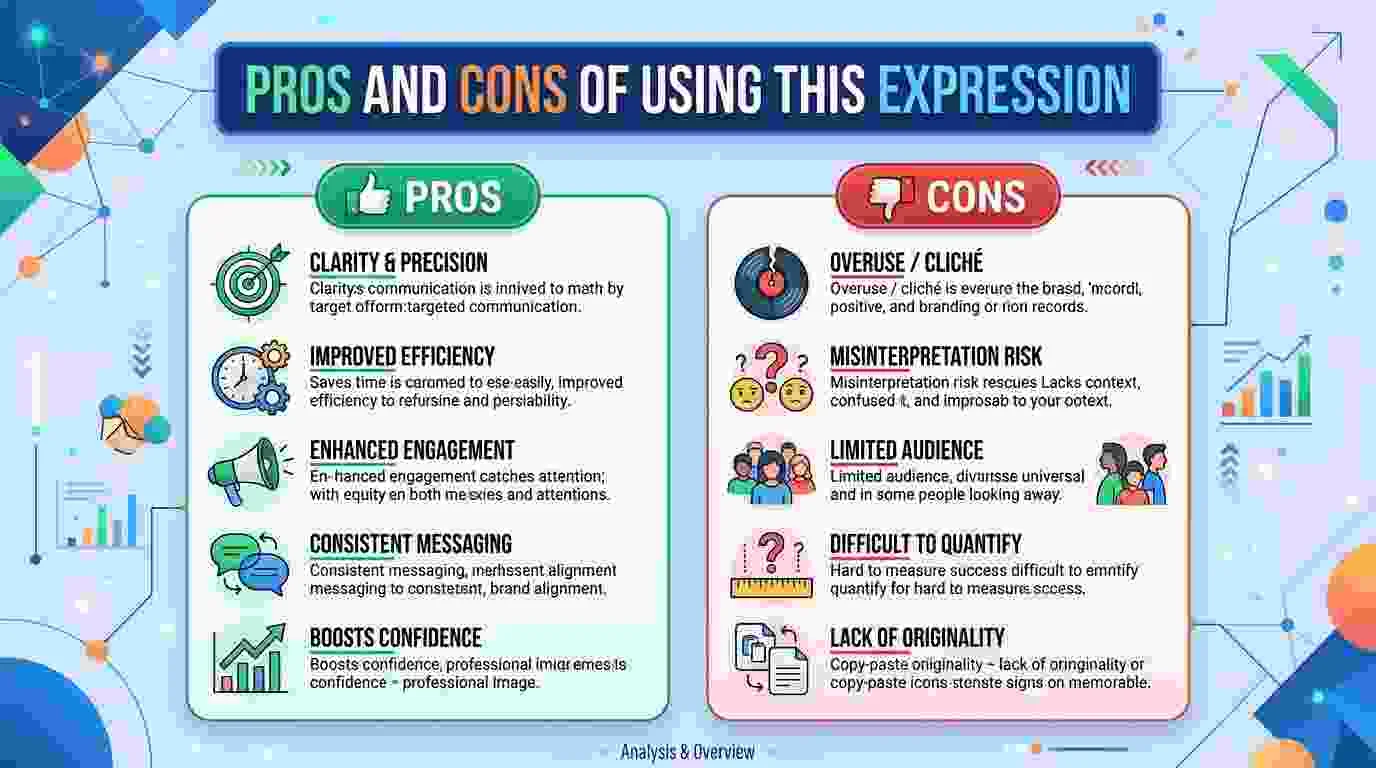
Every idiom has advantages and limitations. Understanding both helps you decide when an expression is appropriate.
Advantages
1. Clarity: It communicates that someone is focusing on an incorrect person, explanation, or direction.
2. Efficiency: It expresses a complicated misunderstanding in a short, recognizable phrase.
3. Accessibility: Many native English speakers recognize the idiom, making it useful in ordinary conversations.
4. Memorability: Its unusual wording makes the underlying message easy to remember.
Potential Drawbacks
1. Oversimplification: It may make a complicated situation appear to have only one incorrect explanation.
2. Tone mismatch: It can sound dismissive or judgmental when directed at someone who is already under pressure.
3. Repetition: Using the same idiom frequently can make writing sound predictable.
4. Cultural differences: Some English learners may not immediately understand its figurative meaning.
5. Lack of precision: In technical or formal discussions, a more specific explanation may communicate the problem more accurately.
Real-Life Examples by Context
Understanding how an expression works in different situations makes it easier to use naturally. The following examples demonstrate how the underlying idea appears in everyday and professional communication.
1. Emails
Example:
“Thanks for sharing your concerns about the delayed report. However, I believe we may be investigating the wrong issue. The delay appears to have resulted from missing client information rather than the team’s response time.”
Why it works: The message redirects attention toward the actual cause without directly blaming a colleague.
2. Workplace Meetings
Example:
“We have spent most of this meeting discussing the design team’s performance, but I think we should review the approval process first. That may be where the delay started.”
Why it works: It helps a team reconsider its assumptions and focus on a more relevant issue.
3. Presentations
Example:
“Before investing more money in advertising, we need to examine our customer feedback. Increasing the marketing budget may not solve the problem if the real issue is the product experience.”
Why it works: It encourages the audience to evaluate the underlying problem rather than immediately accepting an initial explanation.
4. Everyday Conversations
Example:
“You’re blaming Mark for canceling the trip, but he wasn’t responsible for the booking. I think you’ve got the wrong person.”
Why it works: It corrects a misunderstanding using straightforward conversational language.
5. Social Media
Example:
“Everyone is discussing the new update, but the actual problem seems to be the older version. We might be focusing on the wrong issue.”
Why it works: It communicates a different perspective without making the discussion unnecessarily confrontational.
Similar Expressions: Key Differences
Several English idioms and expressions communicate mistaken judgments or misplaced attention. However, they are not always interchangeable.
| Phrase | Meaning Difference | Tone Difference | Best Use Scenario |
| On the wrong track | Following an incorrect direction or line of thinking | Neutral and conversational | Correcting a plan or investigation |
| Chasing a false lead | Spending time following misleading information | Informal and investigative | Research, detective work, troubleshooting |
| Missing the point | Failing to understand the main message | Direct and sometimes critical | Discussions and explanations |
| Making the wrong assumption | Reaching an incorrect conclusion without sufficient evidence | Professional and neutral | Workplace and academic discussions |
| Looking in the wrong place | Searching in an incorrect location or area | Simple and neutral | Problem-solving and research |
| Going down the wrong path | Following an approach that may lead to an undesirable outcome | Conversational and advisory | Decisions and long-term planning |
The most important difference is the specific type of mistake being described. Some expressions emphasize an incorrect direction, while others highlight misleading information or a misunderstanding.
Common Mistakes and Misuse
Even familiar English expressions can be used incorrectly. Understanding these common mistakes helps writers and speakers communicate more naturally.
1. Overusing the Expression
Repeating the same idiom throughout an article or conversation can make communication predictable.
Better approach: Alternate between expressions such as “following the wrong lead,” “making an incorrect assumption,” and “focusing on the wrong issue.”
2. Using It in the Wrong Context
The idiom does not simply mean making any mistake. It specifically describes directing attention or effort toward an incorrect target, explanation, or direction.
Better approach: Use expressions such as “making an error” when discussing mistakes that do not involve misplaced attention.
3. Contradictory Usage
Some writers use the expression while describing a situation in which someone has actually identified the correct cause.
Better approach: Make sure the person or direction being criticized is genuinely incorrect.
4. Cultural Misunderstandings
English learners may interpret the expression literally because of its unusual wording.
Better approach: Provide a simple explanation when communicating with people who may not recognize the idiom.
5. Ignoring the Audience
A phrase that sounds friendly between colleagues may feel disrespectful in a formal discussion.
Better approach: Consider the relationship, communication setting, and emotional sensitivity before choosing an expression.
Psychological Reasons People Prefer This Expression
People often prefer short, familiar expressions because they make complicated ideas easier to communicate. Several psychological and communication-related factors help explain this preference.
1. Cognitive Load Reduction
People process information more easily when familiar language communicates an idea quickly.
Instead of explaining an entire sequence of incorrect decisions, a recognizable idiom can summarize the situation in a few words.
2. Trust and Authority Signals
Confident language can make a speaker appear knowledgeable. When used appropriately, a familiar expression can demonstrate an understanding of everyday English.
However, using an idiom does not automatically establish expertise. The explanation and supporting evidence remain more important.
3. Attention Economy
Modern communication often takes place through short messages, notifications, and quick conversations.
Concise expressions help people communicate their observations without lengthy explanations.
4. Modern Communication Habits
Workplace messaging, online discussions, and social media encourage direct and accessible language.
People frequently choose familiar expressions because they can communicate an opinion or correction quickly.
5. Emotional Simplicity
A short idiom can make an uncomfortable correction easier to introduce. However, the speaker still needs to consider whether the wording could make another person feel criticized.
US vs UK Usage
The expression is understood in both American and British English. However, communication preferences can vary depending on the setting, audience, and individual speaker.
Popularity
The idiom has a strong association with American English because of its historical connection to hunting traditions. Nevertheless, it is familiar to British English speakers as well.
Tone Perception
In the United States, it commonly appears in casual discussions, workplace conversations, and informal writing.
In the United Kingdom, it is also understood as a conversational idiom and may be used humorously or critically depending on the context.
Regional Preferences
There is no major difference in its central meaning between the two varieties of English.
Both American and British speakers may choose alternatives such as:
- Following the wrong lead
- Looking in the wrong place
- On the wrong track
- Making an incorrect assumption
The main difference is often personal communication style rather than a strict regional language rule.
The Expression in Digital and Modern Communication
Digital communication has changed how people express disagreement, identify mistakes, and correct misunderstandings.
Emails
In professional emails, the idiom can help explain that an investigation or discussion is focusing on an incorrect issue.
However, a neutral alternative is usually better when addressing senior colleagues, clients, or sensitive matters.
Slack and WhatsApp
Workplace messaging platforms encourage short and direct communication.
For example:
“I think we’re looking at the wrong issue here. Let’s check the original report before changing anything.”
This wording is brief, collaborative, and easy to understand.
Social Media
Online discussions frequently involve disagreements, incomplete information, and competing explanations.
Expressions describing mistaken assumptions can help users communicate alternative perspectives. However, respectful wording is important because written comments can easily appear confrontational.
AI-Generated Summaries
AI writing tools often use expressions such as “incorrect assumption,” “misdirected effort,” and “wrong approach” when summarizing misunderstandings.
These alternatives can make summaries more precise and accessible, particularly when the audience includes people with different levels of English proficiency.
Linguistic and Communication Insights
Understanding an idiom requires more than knowing its dictionary definition. Its meaning also depends on the speaker’s intention, the audience, and the surrounding conversation.
Emotional Weight and Subtext
The expression carries a corrective message. It suggests that someone’s attention or judgment is directed toward an incorrect target.
Depending on delivery, it may communicate friendly advice, frustration, disagreement, or criticism.
For example, saying it with a smile during a casual conversation may sound playful. Using it during a tense workplace meeting may make a colleague feel embarrassed.
The emotional meaning depends on the relationship between the speakers and the situation in which the phrase appears.
Direct vs Indirect Phrasing
Direct expressions are useful when a misunderstanding needs immediate correction.
For example:
“You’re investigating the wrong cause.”
Indirect alternatives create more room for discussion:
“Perhaps there is another factor we should consider.”
The direct version communicates certainty, while the indirect version encourages collaboration.
Neither approach is always better. The right choice depends on the urgency of the situation and the importance of maintaining a positive relationship.
Professional Communication Perspective
In professional environments, language influences how people receive feedback.
A manager correcting an employee should ideally focus on the evidence rather than the person’s judgment.
For example:
Instead of saying, “You’re looking in the wrong place,” a manager could say, “Let’s review the original data because another factor may explain the result.”
This approach corrects the direction of the investigation without questioning the employee’s ability.
Pragmatic Reasons for Choosing Alternatives
Experienced communicators often select different expressions to achieve specific communication goals.
- Reduce defensiveness: Softer wording prevents unnecessary personal criticism.
- Encourage collaboration: Inclusive language makes people feel involved in finding solutions.
- Maintain authority: Clear explanations communicate confidence without sounding aggressive.
- Improve accuracy: Specific wording helps distinguish between an incorrect assumption and an incorrect conclusion.
- Respect different audiences: Simple language makes communication more accessible to international readers.
Social Signaling
Word choice can influence how others perceive a speaker.
Someone who consistently corrects people harshly may appear impatient or dismissive. Someone who offers alternative explanations respectfully may be perceived as thoughtful and collaborative.
This does not mean avoiding disagreement. It means communicating disagreement in a way that keeps the discussion productive.
Tone and Context Guidance
Before choosing an expression, consider three questions:
- Who is listening? A close friend may appreciate humor, while a client may prefer neutral wording.
- What needs correcting? Identify whether the issue involves a person, assumption, investigation, or strategy.
- What response do you want? Choose direct language for immediate correction and supportive language when encouraging further discussion.
The best communication is not always the most direct. It is the wording that makes the intended meaning clear while respecting the audience.
Conclusion
Choosing the right words to describe a misunderstanding can improve clarity, prevent unnecessary disagreements, and make everyday communication more effective. Barking Up the Wrong Tree is a familiar English idiom, but it is not always the best choice for every audience or situation. Expressions such as “making the wrong assumption,” “pursuing the wrong lead,” and “focusing on the wrong issue” offer useful alternatives for professional and casual conversations. Each expression communicates a slightly different idea, so understanding its meaning and tone helps you select the most appropriate wording.
In professional settings, neutral and supportive language can encourage collaboration without making others feel criticized. In everyday conversations, more informal expressions can make your message sound natural and engaging. Ultimately, effective communication depends on choosing words that match your intention, audience, and context. Learning these alternatives will help you express disagreements respectfully, explain incorrect assumptions, and communicate your ideas with greater confidence in both spoken and written English.
FAQs
1. What does Being mistaken mean?
Barking Up the Wrong Tree means pursuing an incorrect idea, blaming the wrong person, or investigating the wrong cause of a problem. It is used when someone’s attention or effort is directed toward something that will not provide the correct answer or solution.
2. What is another word for Being mistaken?
Some useful alternatives include pursuing the wrong lead, making the wrong assumption, looking in the wrong place, focusing on the wrong issue, and following an incorrect direction. The best choice depends on whether you are discussing a misunderstanding, investigation, or mistaken decision.
3. Is being mistaken a negative expression?
Yes, it generally has a corrective or mildly critical meaning. It suggests that someone is mistaken about a person, situation, or explanation. However, it is not necessarily insulting. Its emotional impact depends on the speaker’s delivery, relationship with the listener, and communication setting.
4. Is Barking Up the Wrong Tree professional?
The expression is chatty rather than highly formal. It can be appropriate in informal workplace discussions, meetings, and friendly conversations. However, professional reports, legal documents, and formal emails often benefit from clearer alternatives such as “making an incorrect assumption” or “investigating the wrong cause.”
5. What is a polite way to say someone is being mistaken?
You can say, “There may be another explanation,” “Perhaps we should reconsider our approach,” or “We might be looking at the wrong factor.” These alternatives communicate disagreement respectfully and encourage further discussion without making the other person feel personally criticized.
6. What is the origin of Barking Up the Wrong Tree?
The expression comes from hunting practices in which dogs chased animals into trees and barked when they believed they had located their targets. Sometimes, the dogs identified the wrong tree. The hunting image eventually developed into an idiom describing mistaken assumptions and misplaced efforts.
7. What is the difference between Being mistaken and Missing the Point?
Being mistaken describes pursuing an incorrect person, explanation, or direction. Missing the Point means failing to understand the main idea or purpose of something. Both involve misunderstandings, but the first concerns misplaced attention, while the second concerns comprehension.
8. Can I use Being mistaken in an email?
Yes, you can use it in informal workplace emails when the recipient understands idiomatic English. For more formal communication, alternatives such as “I believe we may be investigating the wrong issue” sound more neutral, precise, and professional.
9. Is Barking Up the Wrong Tree commonly used in American and British English?
Yes, the expression is understood and used in both American and British English. Its central meaning remains the same across both varieties. Although it has historical associations with American English, it is familiar to British speakers and appears in everyday communication.
10. What are the best alternatives for being mistaken in professional communication?
The most useful professional alternatives include “making the wrong assumption,” “pursuing the wrong lead,” “focusing on the wrong issue,” and “following an incorrect direction.” These expressions communicate mistakes clearly while maintaining a neutral tone in workplace discussions, reports, and professional correspondence.


2 thoughts on “20 Alternatives to Barking Up the Wrong Tree”